
What Does It Mean to Feel Safe in the Body?
Mar 12, 2025Exploring Self-Regulation Through the Lens of Protection and Connection
In a world that often moves too fast, feeling safe in your own body can sometimes feel like a luxury — or even a mystery. But in the work of Deb Dana, a pioneer in translating Polyvagal Theory into everyday life, we learn that safety is not just a mental state. It's a deeply embodied experience — one that arises when our nervous system feels we are out of danger and can open up to the possibility of connection.
So what does it really mean to feel safe in the body?
It’s not about the absence of chaos around us — it’s about the presence of signals within us that say, you are okay right now.
It’s in the breath that softens, the shoulders that drop, the eyes that can meet another's gaze without flinching. It’s in the gut that settles, the heart that slows, the sense that there’s space inside to simply be.
The Dance Between Protection and Connection
Our nervous system is always working to keep us safe. It does this by assessing, moment by moment, whether we’re in a state of danger or safety. We call this the “protection and connection” loop.
When we feel threatened — even by subtle things like a raised eyebrow, a harsh tone, or a sudden change in our environment — our nervous system prioritises protection. This is a survival state. It could look like shutting down (freeze), getting agitated (fight or flight), or emotionally checking out.
When the body believes we are safe, it moves toward connection. This is when our social engagement system comes online. We can listen, speak, make eye contact, stay present. We’re not on high alert — we’re available, attuned, and anchored in the moment.
Both states serve a purpose. It’s not about judging one as bad or good. Rather, it’s about learning how to notice where we are, and gently guide ourselves back toward connection when it’s safe to do so.
What is Self-Regulation?
Self-regulation is the art of helping your nervous system find its way home.
It’s the ability to track your internal state, name what’s happening, and use practices that support your return to a more grounded, connected place. Importantly, this doesn't mean forcing yourself to “calm down.” It means listening to what your nervous system is needing — perhaps it’s a boundary, a breath, a walk, or the soothing voice of a friend.
Self-regulation is a pathway back to connection — first with yourself, and then with the world around you. Regulation isn’t about getting it right — it’s about being in relationship with our experience.
When we learn to regulate, we don’t bypass our stress or emotions. Instead, we befriend them, knowing that they’re messages from our nervous system trying to protect us.
How Do We Begin to Feel Safe?
- Self-regulation is a pathway back to connection — first with yourself, and then with the world around you. It's about creating Micro-Moments of Safety.
Look for the smallest signals that say “you’re okay”: the warmth of a cup of tea, the touch of sunlight, a supportive voice. These cues of safety are like breadcrumbs that lead your nervous system back to connection.
- Practice Anchors
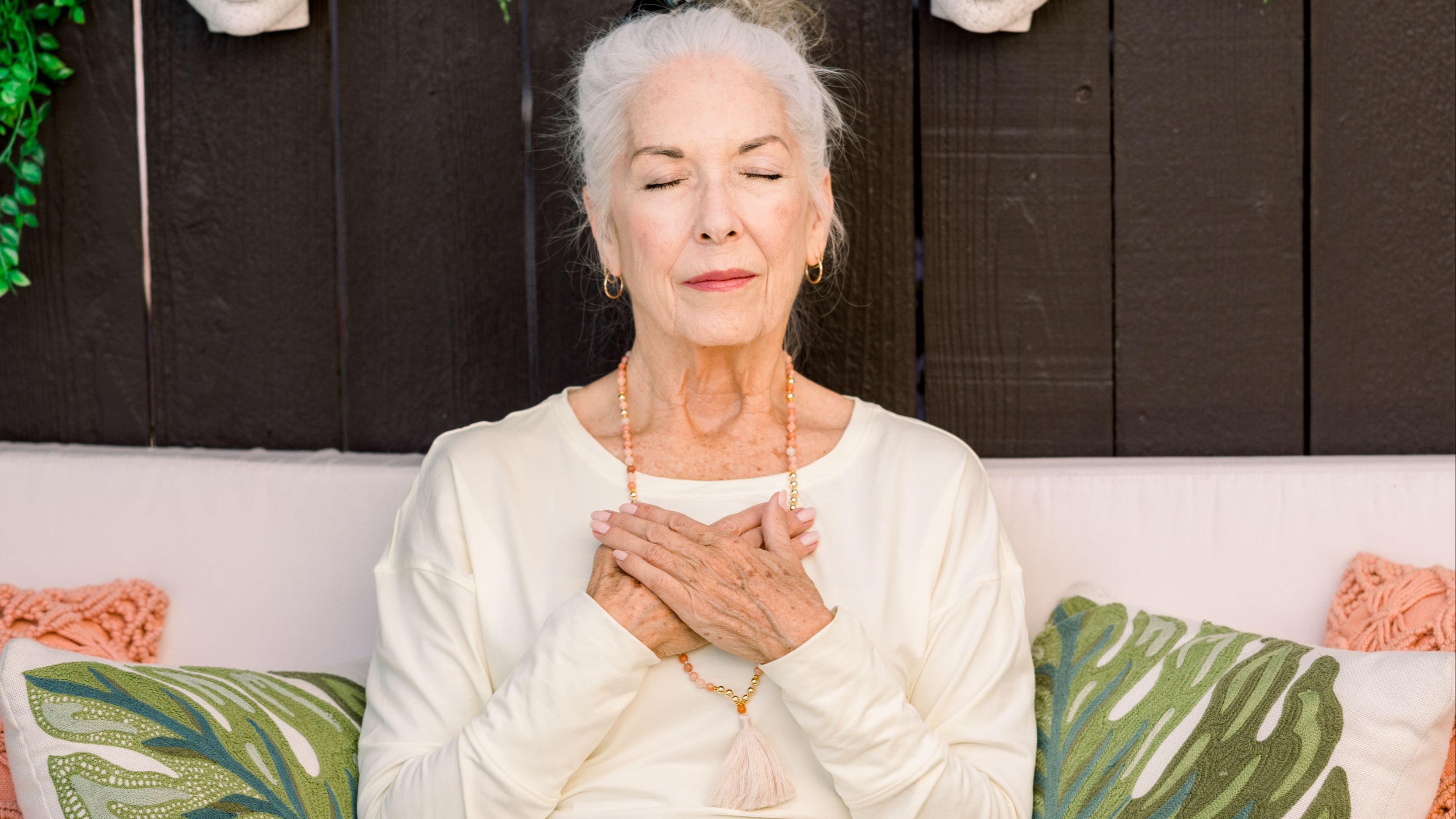
Whether it's placing your hand on your heart, humming, or grounding your feet, small somatic practices can act as anchors — signals that say, “You’re here. You’re safe. You’re supported.”
- Co-Regulate When Needed
We are wired for connection. Sometimes we need others to help us regulate. This might look like talking to someone who feels safe, receiving a hug, receiving a massage or even just being near a calm, regulated presence.
Final Thoughts: Safety Is a Felt Sense
To feel safe in the body is to live from a place where the nervous system is no longer preparing for attack or collapse. It’s a homecoming to ourselves:
“We move in and out of states of connection and protection all day long. The goal is not to stay in one place, but to build pathways that let us return to connection again and again.”
You deserve to feel safe in your body. And you are not broken if you don’t. You are a human being with a brilliant nervous system doing its best to keep you alive.
May we all grow the capacity to meet ourselves with kindness, and gently walk the path from protection back into connection.
Reflective Questions to Guide Your Practice:
- In what moments do you notice your body shifting between states of protection and connection?
- What small practices or cues help you to feel more grounded and safe in your body?
- How can you bring more compassion to yourself when you feel disconnected or on high alert?
- What can you do today to create more moments of safety for yourself, even in small ways?
Invitation to Explore More:
If you're ready to dive deeper into understanding your nervous system and how it connects with your pelvic health, I invite you to explore my 8-Week Online Nourish Your Wellbeing Program. In this program, we explore the intricate links between nervous system regulation and pelvic health, giving you the tools to better understand your body, its signals, and how to create lasting, embodied safety.
You can find more information and register for the program here.
Warmly,
Kate X
Don't miss a beat!
New moves, motivation, and classes delivered to your inbox.
We hate SPAM. We will never sell your information, for any reason.